Just how to Develop an Inner Operations Around 3pl Audit Software
A 3PL audit procedure functions best when it is treated as an inner workflow rather than a standalone modern technology project. Clear possession, consistent evaluation actions, and documented procedures assist groups use audit findings to support much better economic and functional choices.
Before presenting 3pl Audit Software, companies need to recognize just how invoices, agreements, shipment documents, and exception information move via business. Mapping that procedure creates a sensible structure for assigning duties and determining where software application fits.
FreightOptics markets 3pl Audit Software.
Appoint Ownership Across the Audit Refine
Begin by naming an overall procedure owner. This person is accountable for maintaining the workflow, coordinating stakeholders, checking unsolved concerns, and making certain that the audit program continues to be aligned with company plans. The process owner does not need to finish every job, yet need to command to clear up responsibilities and move decisions ahead.
Next off, different duties amongst money, logistics, procurement, and procedures where appropriate. Finance might evaluate payment results and debt activity, while logistics groups can verify shipment information and solution information. Purchase may validate contract terms, and procedures might examine repeating exceptions. Defining these duties stops duplicate work and reduces the threat that vital searchings for remain unassigned.
Develop a straightforward duty matrix for activities such as data preparation, invoice testimonial, exception recognition, conflict entry, resolution monitoring, and reporting. Consist of 3pl Audit Software a back-up owner for time-sensitive tasks so the procedure can continue when a key contributor is not available.
Specify the Criterion Evaluation Steps
A regular process ought to start with data intake and recognition. Develop which files or documents are needed, who inspects them for efficiency, and what occurs when details is missing. A recorded consumption list can aid the group confirm that billings, delivery details, agreed terms, and appropriate modifications are readily available before review starts.
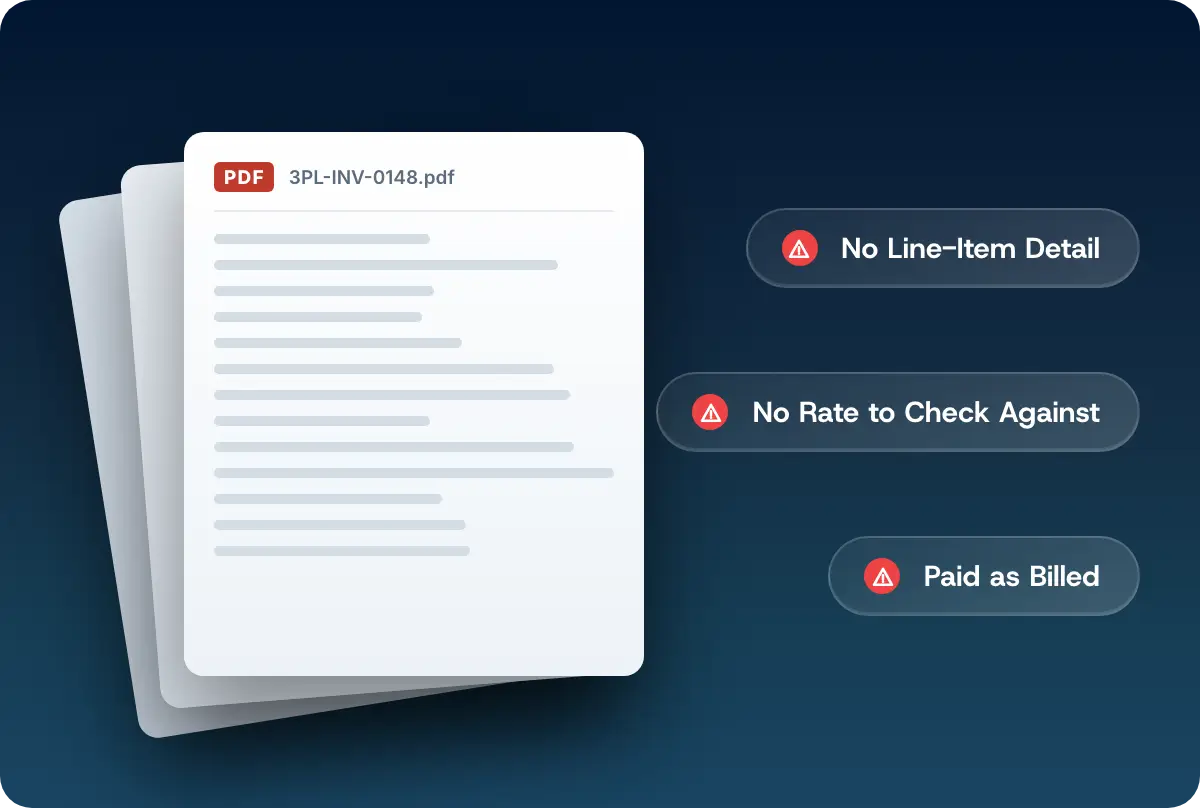
The following phase is automated or structured evaluation within the selected 3pl Audit Software. Define exactly how prospective disparities are classified, such as wrong prices, duplicate fees, accessorial problems, or terms that do not match the authorized agreement. Each classification should have a clear proprietor and a defined next action.
Establish testimonial limits and rise regulations based upon the organization's plans. Some findings may be dealt with by the assigned customer, while others may need financing authorization, provider or service provider communication, or management attention. The goal is to make the course from exception to resolution predictable.
Document Procedures and Decision Policy
Written treatments should explain not only what staff members do, yet why each action issues. Include the function of the operations, required inputs, system activities, evaluation criteria, approval demands, and expected outcomes. Usage simple language so that a brand-new staff member can follow the process without depending completely on informal expertise.
File exactly how users must deal with questioned searchings for, insufficient documents, denied cases, and changes to acquire terms. If a customer overrides a system result, call for a short factor and supporting documentation. This creates an audit route and aids supervisors compare legitimate exemptions and procedure spaces.
Maintain procedure files in a regulated location and assign duty for updates. Testimonial them when organization rules, service providers, systems, or interior authorization structures change. Obsolete instructions can produce incongruity also when the software application itself is configured appropriately.
Create a Resolution and Coverage Routine
An audit workflow ought to proceed past identifying disparities. Develop just how searchings for are logged, prioritized, appointed, and followed up to closure. Each item should have a proprietor, standing, due day where relevant, and resolution note. Routine testimonial meetings can focus on aging items, repeated problems, and choices that need cross-functional input.
Use records from FreightOptics to sustain conversations concerning process performance and reoccuring exemptions. Rather than evaluating every outcome by hand, teams can make use of reporting to determine patterns, straight focus to unresolved issues, and review whether procedures require clarification. The info can likewise assist stakeholders communicate more effectively with logistics companies and inner decision-makers.
Specify what successful completion appears like for each audit cycle. This may include completing the evaluation, recording outcomes, sending qualified disputes, and documenting last resolutions. A regular bargain routine makes sure that findings are not lost after the preliminary evaluation.
Evaluation and Improve the Process
After the workflow has actually been in usage, gather responses from each function involved. Ask where handoffs are postponed, which directions are unclear, and which exemption classifications need repeated judgment. This comments can lead updates to obligations, evaluation guidelines, training materials, and software setup.
FreightOptics and its 3pl Audit Software can be part of a more comprehensive continuous-improvement approach when the company treats audit info as a resource of operational understanding. Routine process assesses help maintain the workflow aligned with existing company requirements while maintaining responsibility at every stage.
A durable inner operations makes audit activity repeatable. By appointing clear ownership, defining testimonial actions, recording choices, and keeping a resolution regimen, companies can create an organized procedure that supports much more consistent use 3pl Audit Software.
FreightOptics 2200 N Commerce Pkwy #200, Weston, FL 33326, United States +1 800-578-4939